Caskets, Urns and Vaults
CASKETS, URNS AND VAULTS
Choosing a casket or urn can be one of the most personal decisions you'll make during funeral planning. For many, these aren't just products — they can be one of many ways to honor and tell the story of a life. We understand that navigating options, materials, and pricing can feel overwhelming, especially when you're grieving. Choosing a vessel is such a personal endeavor. Our role is to help you find the theme, style or color that is meaningful for your family, your budget, and your loved one's memory, without pressure or confusion.
Below, you'll find straightforward information about caskets, urns, and vaults to help guide your decision.
CASKETS
Whether you're planning a traditional burial or a viewing before cremation, selecting a casket involves understanding your options and what matters most to your family. Caskets vary widely in material, construction, and price. Most caskets are made with similar quality, so the actual price comes down to construction material first, then the features and preferences that matter to your family.
Please Note: This is a deeply personal decision. The right casket is the one that feels right to you - not the one with the most features, the longest warranty, or the most elaborate claims about protection. Some providers emphasize locking mechanisms or "protective" construction, but these features don't change what happens naturally over time and shouldn't drive your decision. Choose based on what honors your loved one and fits your family's values and budget, not on sales pressure or marketing claims.
Several Factors Influence Casket Pricing:
- Caskets are primarily made from wood, metal, or eco-friendly materials, each offering different characteristics that influence both price and presentation.
- Metal caskets are commonly made from steel (in 20-gauge, 18-gauge, or 16-gauge thickness), stainless steel, copper, or bronze. Lower gauge numbers indicate thicker, heavier metal — 20-gauge being the thinnest and most common.
- Wood caskets can be crafted from a wide range of materials, including poplar, oak, cherry, pecan, walnut, and mahogany, among others.
- Interior fabrics most often include crepe, satin, and velvet, with additional options available depending on the manufacturer.
- Colors, themes, and personalization features can also affect pricing.
- External factors may also determine which casket is appropriate, including religious requirements, cemetery regulations, and the height or size of the individual.
- A viewing casket serves a unique purpose — it features a replaceable interior, making the casket itself reusable. This option is popular when cremation follows a viewing or service, allowing families to have a traditional service with viewing, without purchasing a casket that will be cremated. In some cases, the interior container may also be suitable for green burial, depending on cemetery requirements.
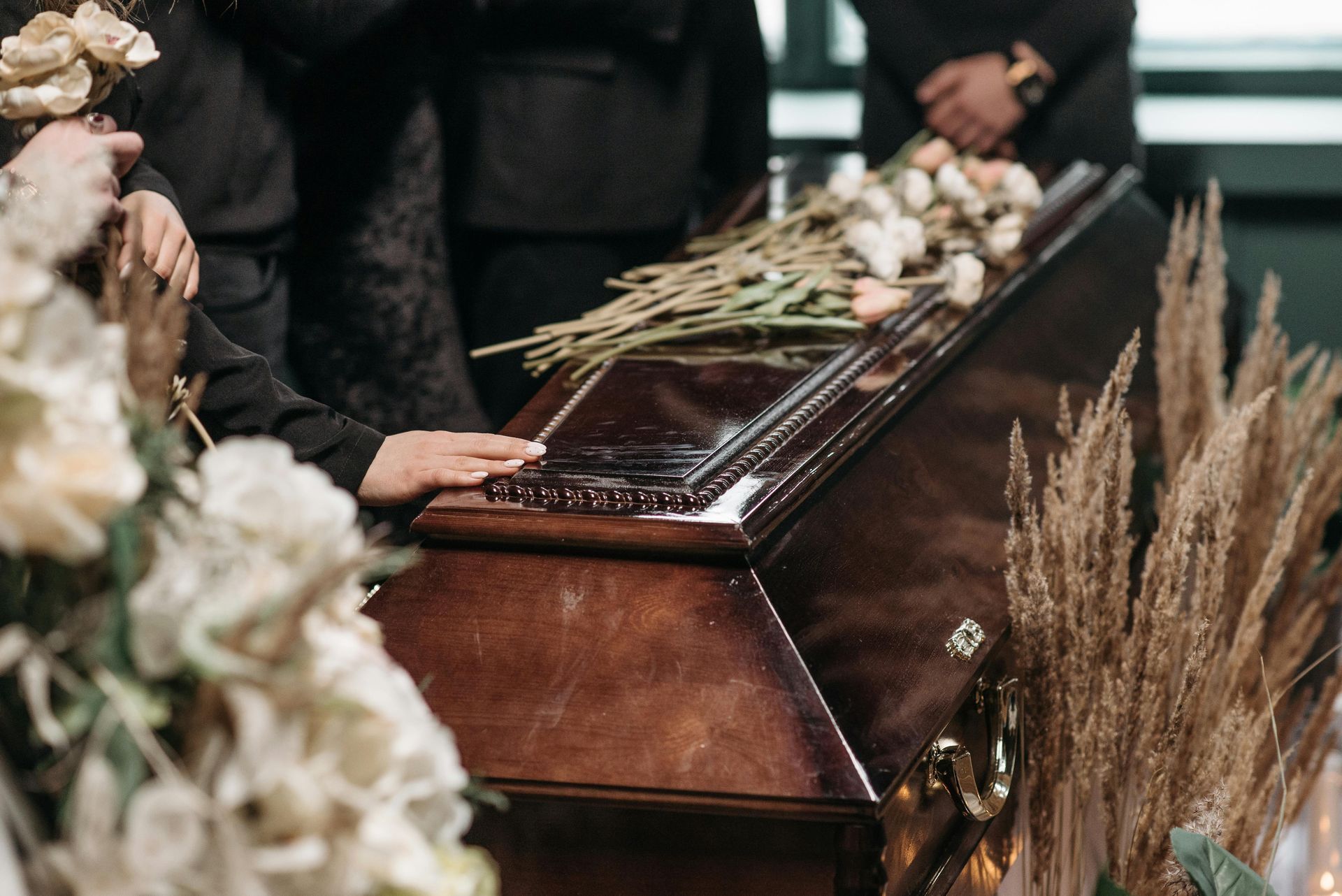
Below, is our Casket Price List and links to photos in online catalogs from different casket manufacturers. Because of the number of caskets available, not all caskets in the catalogs can be on our price list. If you see a casket in the online catalog that is not on our list, please give us a call and we will find out the price. In general, the ranges below should help with an estimate.
Please Note: In general, casket pricing will fall within the ranges below. However, with some special design circumstances, pricing could be outside of the range.
- 20 Gauge Steel Caskets Range $1913 - $3586+
- 18 Gauge Steel Caskets Range $2710 - $4569+
- Stainless Steel Caskets Range $3813 - $6199+
- Copper and Bronze Caskets Range $6300+
- Wood Caskets Range $3410 - $6396+
- Solid Oak Viewing Casket Range $1150+
URNS
After cremation, cremated remains are placed in a vessel or urn. "Why not just say urn?" you ask. In the modern day, with countless options available, urns are no longer limited to traditional containers. Today's vessels are as varied as the people they honor — designed to contain, transport, wear, inter, and scatter cremated remains.
Cremated remains can be kept in a vessel, scattered in a meaningful location, divided among family members, or placed in a cemetery or columbarium. Some options go even further — cremains can be sent into outer space, mixed into concrete to create man-made reefs off the coasts of the Carolinas or Florida, handcrafted into memorial jewelry or glass art, or grown into a lab-created diamond. The options are truly unlimited.
Please Note:
Whatever your plans are for a loved one's cremated remains, here are some practical points to consider:
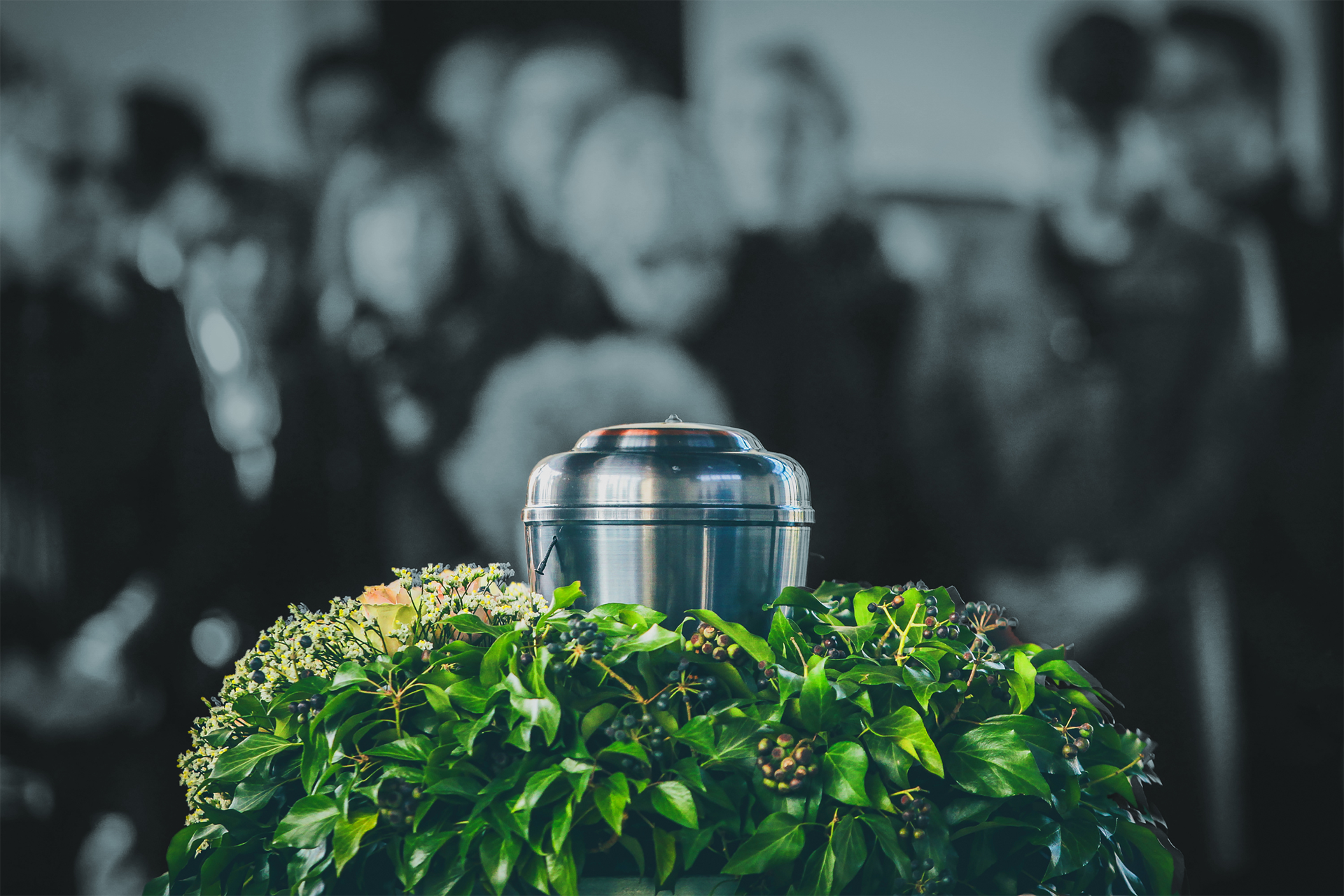
Several Factors Influence Urn Purchase:
- Before selecting a vessel, decide what the final intent for the cremated remains will be. There's no need for a full-sized urn if you plan to keep only a portion and scatter the rest.
- If you are placing an urn in a cemetery, verify any cemetery requirements before making an urn decision — some may have specific container requirements.
- If you are placing an urn in a niche, verify the available dimensions before selecting one. You don't want an urn that's too large for the space, or one that leaves no room for a second urn if that's the intent.
- While you're welcome to visit our selection room with over 100 urns to see and feel your options, some families choose to order online. If you do, pay close attention to cubic inch capacity — many people have ordered from a photo without realizing how large or small the urn actually is.
- If a service is scheduled within a few days, selecting an urn locally is far less stressful than ordering online and hoping it arrives in time.
- If you intend to scatter on land, you must obtain permission to scatter on any property you do not own.
- If you bury an urn or scatter cremated cremains on property you own, keep in mind that future property owners are not obligated to honor where the remains were placed.
- If you scatter in waterways, be aware that state laws, local ordinances, and in some cases regional authorities have regulations that apply. Consult the appropriate authority or your local funeral home for guidance.
Outer Burial Container(s) (Vaults)
When most people hear the term "vault", they immediately know what it means — but "vault" is actually part of a broader category known as an Outer Burial Container(s). Understanding the terminology used in this category is important because it helps clarify exactly which type of container is being described and what it does.
The primary purpose of any outer burial container is straightforward: to support the weight of the earth above a burial space, preventing the casket from being crushed over time. Without one, the ground above a burial space will gradually sink, requiring constant refilling and leveling. This is why many cemeteries require an outer burial container — and it's worth checking with your cemetery of choice, as their requirements may influence which options are available to you.
There are two distinct types of outer burial containers:
Grave Liners and
Vaults.
A Grave Liner — sometimes called a concrete box — serves one purpose. It is designed to support the weight of the earth and prevent ground settling. It does not claim to offer protection from outside elements, and it doesn't need to. It does its job simply and reliably.
A Vault, on the other hand, is designed to do both — support the weight of the earth and offer an initial level of protection from outside elements. That protection can take many forms depending on construction. As you would expect, the more protective a vault is designed to be, the more it will cost.
Outer burial containers are constructed from a variety of materials, including concrete, steel, plastic, and fiberglass, each with its own characteristics in terms of durability, weight, and resistance to the elements.
Ultimately, whichever container you select is
your choice. It's worth remembering that the protection any container offers is an initial protection — nothing lasts forever. What matters is that you feel informed and comfortable with the decision you make.